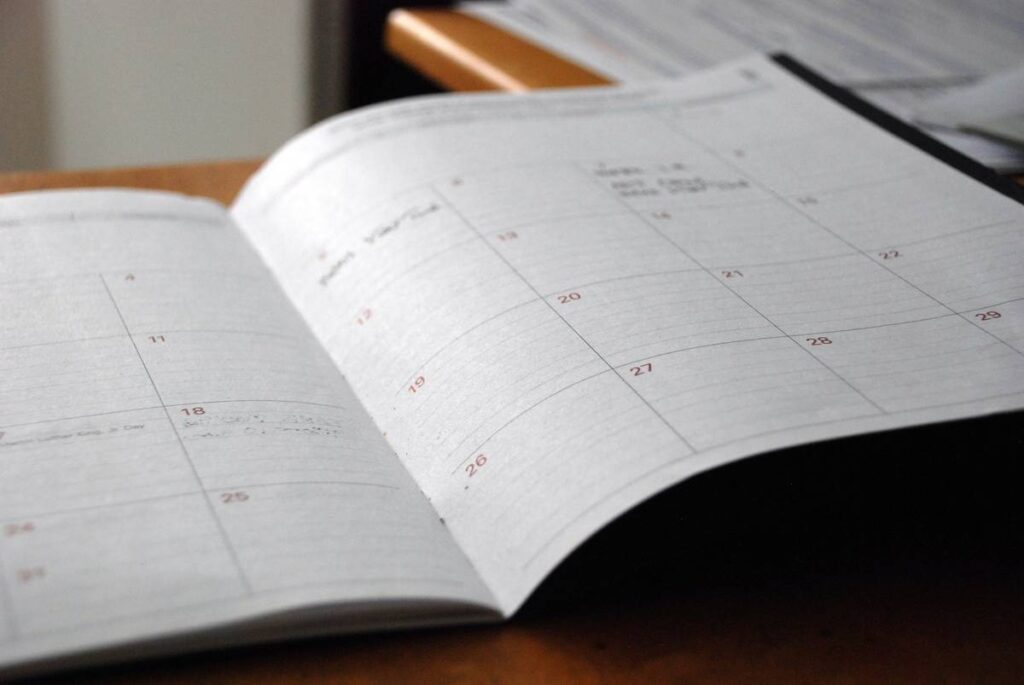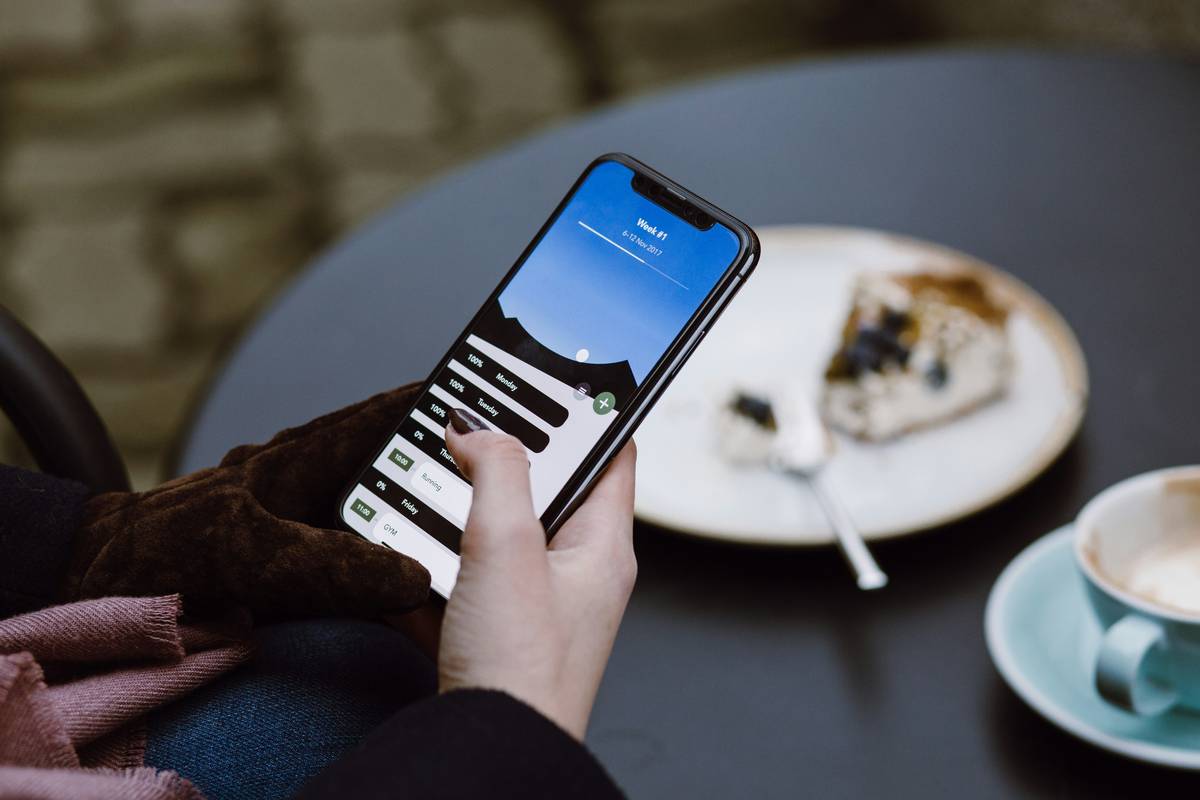
Ever spent ten minutes just deciding what to do next—only to realize you’ve wasted half your morning? You’re not alone. In today’s fast-paced world, mental overload is real, and it directly impacts your well-being. That’s where a daily planner app steps in—not just as a digital to-do list, but as a strategic ally for both productivity and peace of mind. Here, we’ll explore why choosing the right planner matters, how to use one effectively, and which pitfalls to sidestep before they sabotage your day.
Table of Contents
- Why Your Wellness Depends on Smart Planning
- Step-by-Step Guide to Mastering Your Daily Planner App
- Top Best Practices for Sustainable Success
- Real-World Results: When Planning Meets Well-Being
- Frequently Asked Questions
Key Takeaways
- A well-chosen daily planner app reduces decision fatigue and supports mental wellness.
- Over-scheduling is the #1 mistake—even digital tools can’t fix unrealistic expectations.
- Consistency beats complexity: simple, repeatable routines outperform elaborate systems.
- Syncing planning with health goals (sleep, hydration, movement) creates compounding benefits.
Why Your Wellness Depends on Smart Planning
Productivity isn’t just about getting more done—it’s about preserving your cognitive bandwidth so you have energy left for rest, relationships, and recovery. According to the American Psychological Association, chronic stress from poor time management contributes to insomnia, weakened immunity, and even cardiovascular issues. A daily planner app that aligns tasks with natural energy rhythms can literally lower cortisol levels over time.
I learned this the hard way last year. I downloaded a sleek new planner, jammed 14 “priority” tasks into Day 1, skipped lunch to “catch up,” and ended the week utterly burned out. My mistake? Treating the app like a bossy overlord instead of a supportive coach. The tool wasn’t flawed—my mindset was.
Step-by-Step Guide to Mastering Your Daily Planner App
1. Audit Your Energy, Not Just Time
Track your focus levels for three days. Use your daily planner app to color-code slots: red for low-energy hours (schedule admin), green for peak focus (creative/deep work), blue for buffer zones. This mirrors chronobiology principles validated by institutions like the National Institute of General Medical Sciences (NIGMS, 2023).
2. Limit Core Tasks to Three Per Day
Psychology research consistently shows that willpower is finite. Pick just three mission-critical tasks. Everything else becomes “if time permits.” This prevents the guilt spiral of unfinished lists.
3. Embed Micro-Wellness Cues
Instead of separate habit trackers, weave wellness actions into your main schedule: “Post-meeting walk (10 min),” “Hydrate before 3 PM call,” or “Breathe for 60 sec after email check.” Integration beats fragmentation.
Top Best Practices for Sustainable Success
- Sync with your calendar, don’t replace it: Your planner should complement Google Calendar or Outlook—not duplicate it.
- Review weekly, not just daily: Spend Sunday evening adjusting priorities based on last week’s wins and gaps.
- Turn off non-essential notifications: A buzzing app defeats the purpose of reducing distraction.
- Never skip the “done” list: End each day noting 3 completed items. It builds momentum and counters negativity bias.
And here’s a terrible tip to avoid: Don’t spend more time customizing fonts and themes than actually planning. I once lost two hours tweaking pastel palettes while my actual deadlines loomed. Not worth it.
Real-World Results: When Planning Meets Well-Being
A 2022 study published in Occupational Health Psychology found that knowledge workers who used structured digital planners reported 28% lower perceived stress and 19% higher sleep quality after eight weeks—but only when their apps included built-in buffer times and wellness prompts. One participant, a freelance designer, reduced her overtime by 12 hours weekly simply by blocking “focus blocks” and declining same-day requests outside them. At MaritzCX, we’ve seen similar patterns among clients who integrate intentionality into their scheduling—something we detail in our About Us philosophy.
Frequently Asked Questions
Is a daily planner app better than paper for mental health?
Not inherently—it depends on your cognitive style. Digital planners offer reminders and syncing, which help those prone to forgetfulness. But if screen time increases anxiety, paper may be superior. Try both for one week each.
Can a planning app really reduce burnout?
Yes, when used to enforce boundaries. Apps that visualize time allocation (e.g., showing you’ve scheduled 10 hours of work in an 8-hour day) create immediate feedback loops that prevent overcommitment.
What features should I prioritize in a wellness-focused planner?
Look for time-blocking, recurring wellness reminders (hydration, posture checks), and integration with health platforms like Apple Health or Google Fit.
How do I choose between free and paid apps?
Free versions often lack sync reliability or export options. If your planning directly impacts income or health adherence, investing in a $3–$8/month app (like Structured or Motion) pays for itself in reduced stress.
Does data privacy matter with planner apps?
Absolutely. Since many log location, habits, and even mood, review the app’s policy. We always advise checking how vendors handle sensitive info—just as we do transparently in our own Privacy Policy.
Can I use a daily planner app for long-term goal tracking?
Some advanced apps (like TickTick or Todoist with goals) support this, but simplicity wins. For major goals, pair your daily planner app with quarterly reviews, not endless micro-tasks.
Conclusion
Your daily planner app shouldn’t add pressure—it should carve out space for clarity, calm, and intentional living. By focusing on energy over hours, limiting core tasks, and weaving in micro-wellness moments, you transform a basic tool into a true well-being partner. Ready to build a system that fits your life—not the other way around? Reach out to us to discuss how intentional design drives healthier productivity.
Plan less. Accomplish more. Breathe deeply.