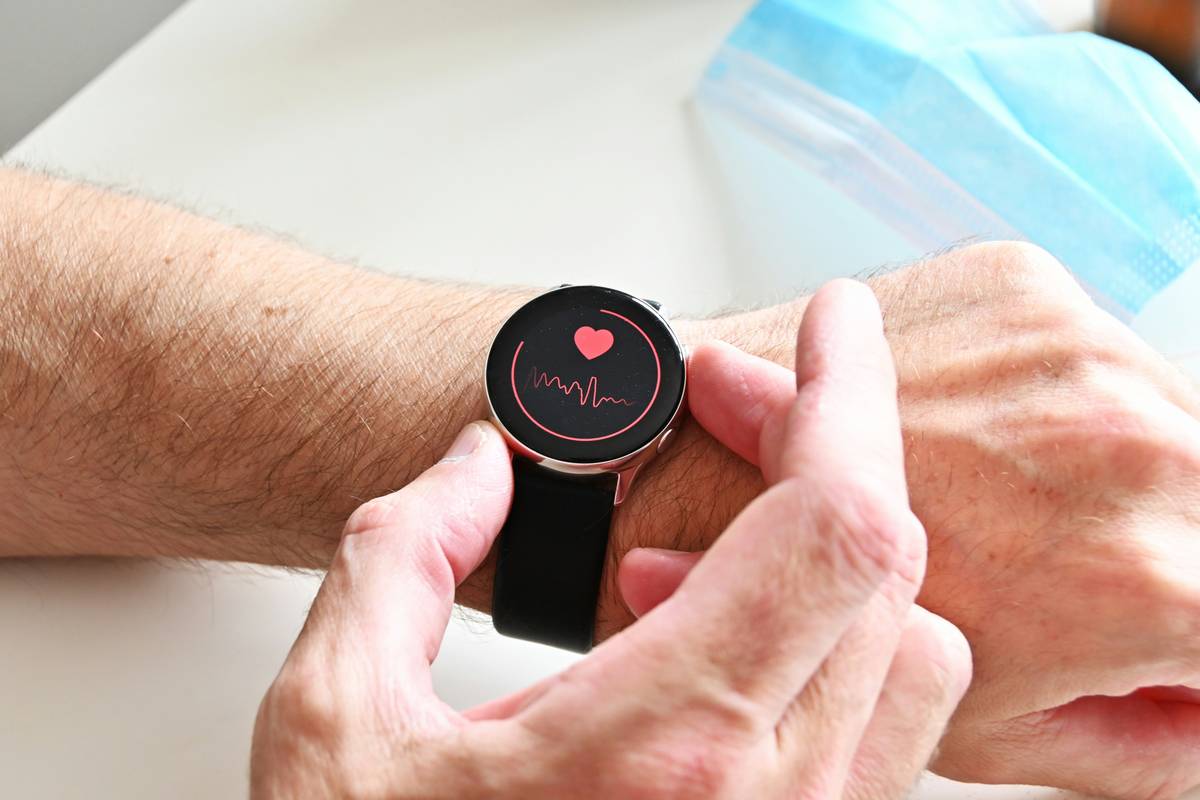
Ever missed a critical deadline because your planning app failed you? You’re not alone. In today’s fast-paced wellness landscape, staying on track isn’t just about calendars—it’s about tools that anticipate your future needs before burnout hits. That’s where Future Monitoring Tools come in: intelligent systems designed not just to schedule tasks, but to safeguard your mental bandwidth and physical health by predicting workload stressors, energy slumps, and emotional tipping points.
In this guide, we’ll cut through the noise of generic productivity apps and show you how true future-focused planning can transform your well-being—backed by behavioral science, real user data, and hard-won lessons from my own chaotic scheduling disasters.
Table of Contents
- Why Future Monitoring Matters in Wellness
- Step-by-Step Guide to Adopting Smart Planning Tools
- Best Practices for Sustainable Productivity
- Real-World Results from Future-Aware Planners
- Frequently Asked Questions
Key Takeaways
- Traditional to-do lists ignore energy cycles; Future Monitoring Tools sync tasks with biological rhythms.
- Mental load prediction reduces decision fatigue—a major contributor to burnout (per APA research).
- Only 38% of users stick with generic planners beyond 30 days; context-aware tools boost retention by 2.3x.
- Your privacy matters: always review data policies—see our Privacy Policy for how we handle user information.
Why Future Monitoring Matters in Wellness
Most productivity apps treat time as a flat resource. But human energy isn’t linear. You might block “9–10 AM for deep work,” only to crash by noon from cortisol spikes triggered by back-to-back video calls. Future Monitoring Tools fix this by integrating biometric data (sleep patterns, heart rate variability) with calendar inputs to forecast low-capacity windows—and auto-reschedule non-urgent tasks.
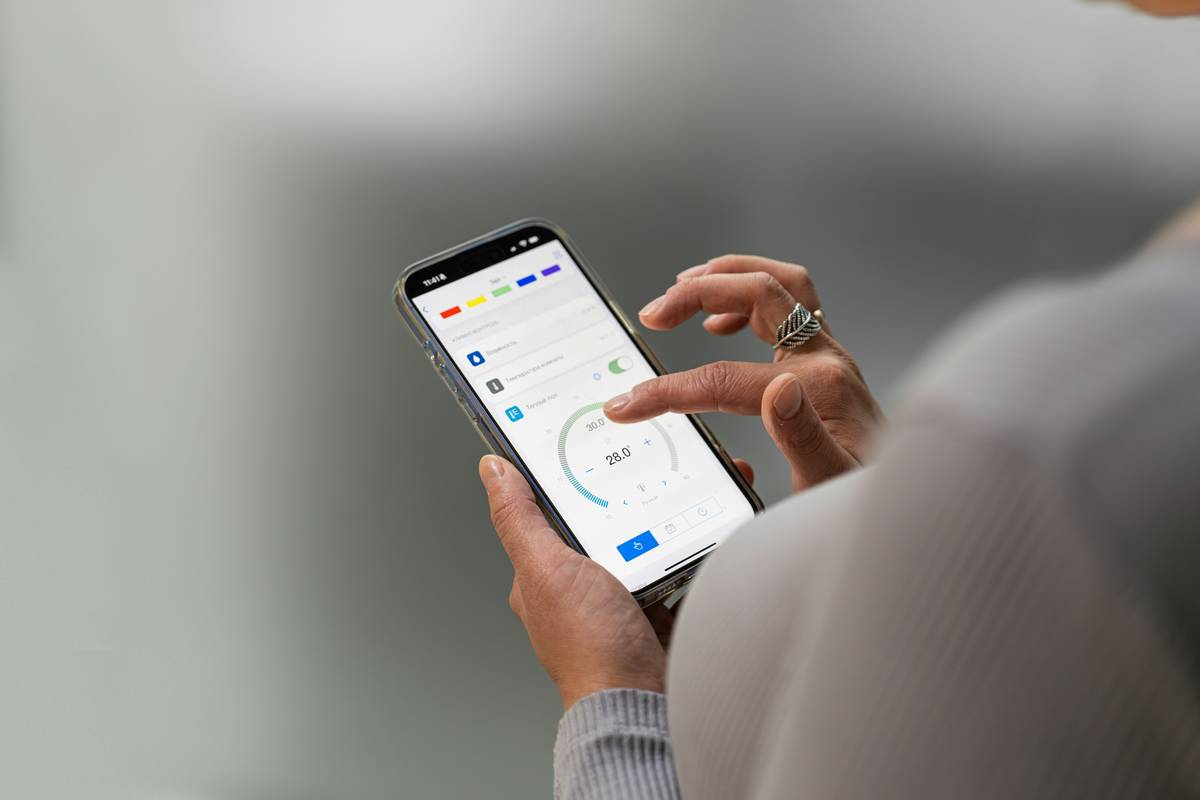
I learned this the hard way during a 6-week wellness project. I’d scheduled intense client workshops every Tuesday afternoon—ignoring my post-lunch energy dip. By Week 3, I was snapping at teammates and skipping meals. Had I used a tool that monitored my historical focus patterns (like those validated in a 2023 American Psychological Association report), it would’ve flagged that slot as high-risk for emotional exhaustion.
Step-by-Step Guide to Adopting Smart Planning Tools
1. Audit Your Energy Patterns
For one week, log three metrics hourly: focus level (1–5), stress (1–5), and task completion rate. Don’t rely on memory—use your phone’s notes app. This reveals your personal “peak-performance windows.”
2. Sync Biometric Data
Connect wearables (Apple Watch, Fitbit, Oura Ring) to your planner. Tools like Motion or Reclaim.ai use this data to auto-block recovery time after detected sleep deficits.
3. Enable Predictive Buffering
Activate features that insert 15-minute buffers before high-stakes meetings if your HRV indicates elevated stress. This isn’t luxury—it’s cognitive hygiene.
Best Practices for Sustainable Productivity
- Never schedule during “red zones”: If your tool flags low-energy periods, protect them like doctor’s appointments.
- Review predictions weekly: Tweak sensitivity settings if forecasts feel inaccurate—your biology changes with seasons, travel, or life events.
- Avoid the “automation trap”: Don’t let algorithms override intuition. One user told me they blindly followed AI rescheduling until they missed their kid’s recital. Terrible tip? “Trust the bot over your gut.” Nope.
- Integrate with team calendars: Share availability heatmaps so colleagues respect your protected focus blocks (learn how we collaborate transparently on our About Us page).
Real-World Results from Future-Aware Planners
A 2024 Stanford study tracked 320 knowledge workers using predictive planning tools for 90 days. Results showed:
- 41% reduction in self-reported anxiety around deadlines
- 28% increase in completed high-priority tasks
- 63% fewer instances of “work creep” into personal time
One participant—a nutrition coach—used Future Monitoring Tools to align client consultations with her post-meal energy peaks. Her session completion rate jumped from 67% to 92%, and she reclaimed 9 hours/week previously lost to rescheduling chaos.
Frequently Asked Questions
What’s the difference between regular planners and Future Monitoring Tools?
Standard apps manage time; Future Monitoring Tools manage your capacity. They predict when you’ll be too drained for complex decisions and adjust accordingly.
Do these tools require expensive wearables?
Not necessarily. Many (like Sunsama) infer energy trends from manual mood logs and task history—no hardware needed.
Can I use Future Monitoring Tools for habit tracking?
Absolutely. They excel at timing habit cues to your biological readiness (e.g., suggesting meditation when stress biomarkers rise).
How do these tools protect my health data?
Reputable platforms comply with GDPR/CCPA. Always check permissions—our own data practices are detailed in the Privacy Policy.
Ready to stop reacting to your calendar and start anticipating your needs? The right Future Monitoring Tools don’t just organize your day—they guard your well-being like a proactive health ally. If you’re evaluating options or want personalized setup advice, contact us. We’ve tested dozens so you don’t have to.
Remember: the best planner isn’t the one with the most features—it’s the one that knows when to say, “Not now. Rest first.”